

JUNIOR EU: a successful European project uniting young people from Italy, Poland, and Portugal in Ventotene
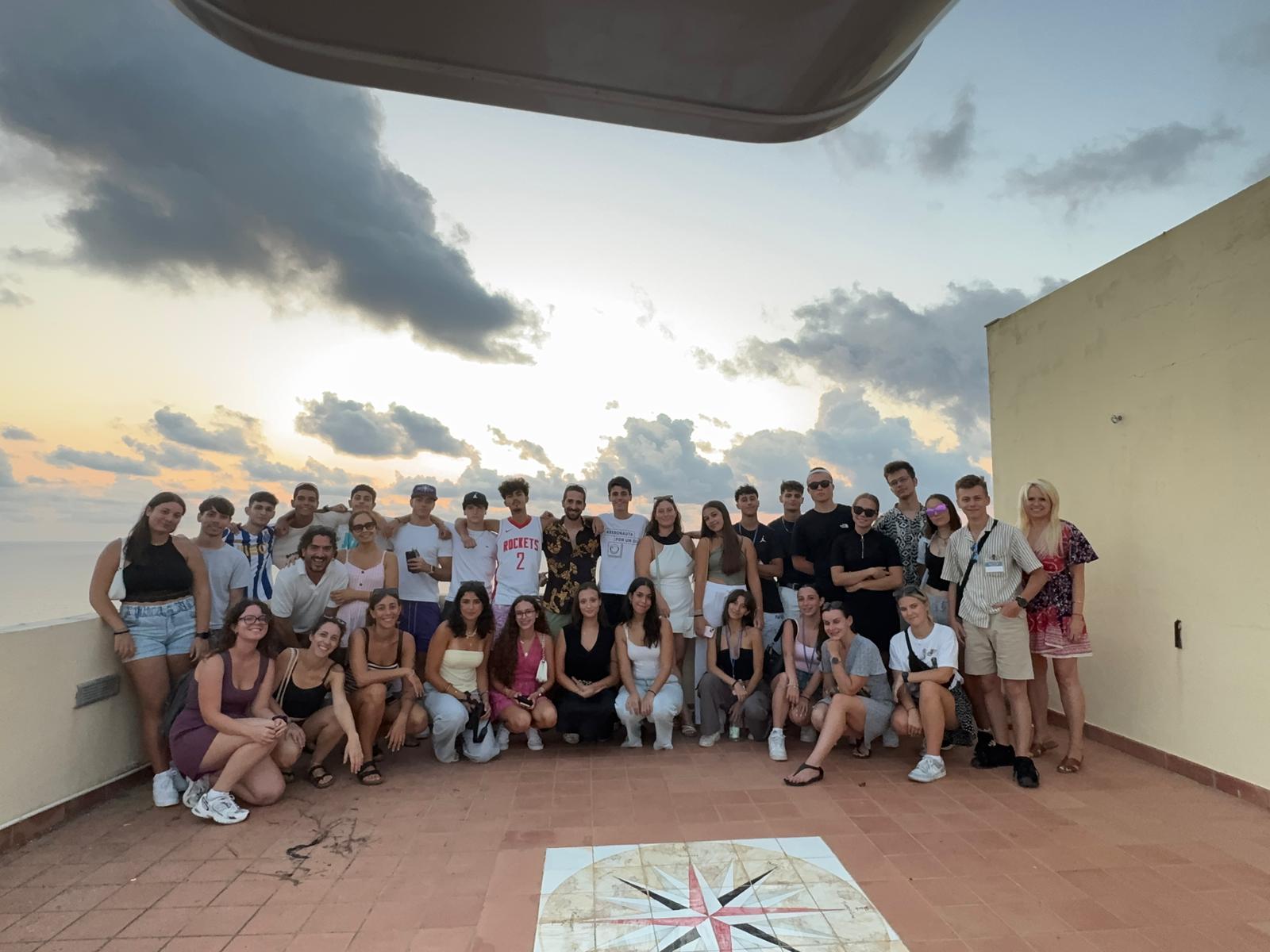
The KA154 JUNIOR EU project, funded by the Erasmus+ programme and coordinated by the Lighthouse Languages association of Orte in collaboration with Sójovem das Saibreiras (Portugal) and the Municipality of Wieliszew (Poland), successfully concluded in Ventotene from 23 to 29 August 2025.
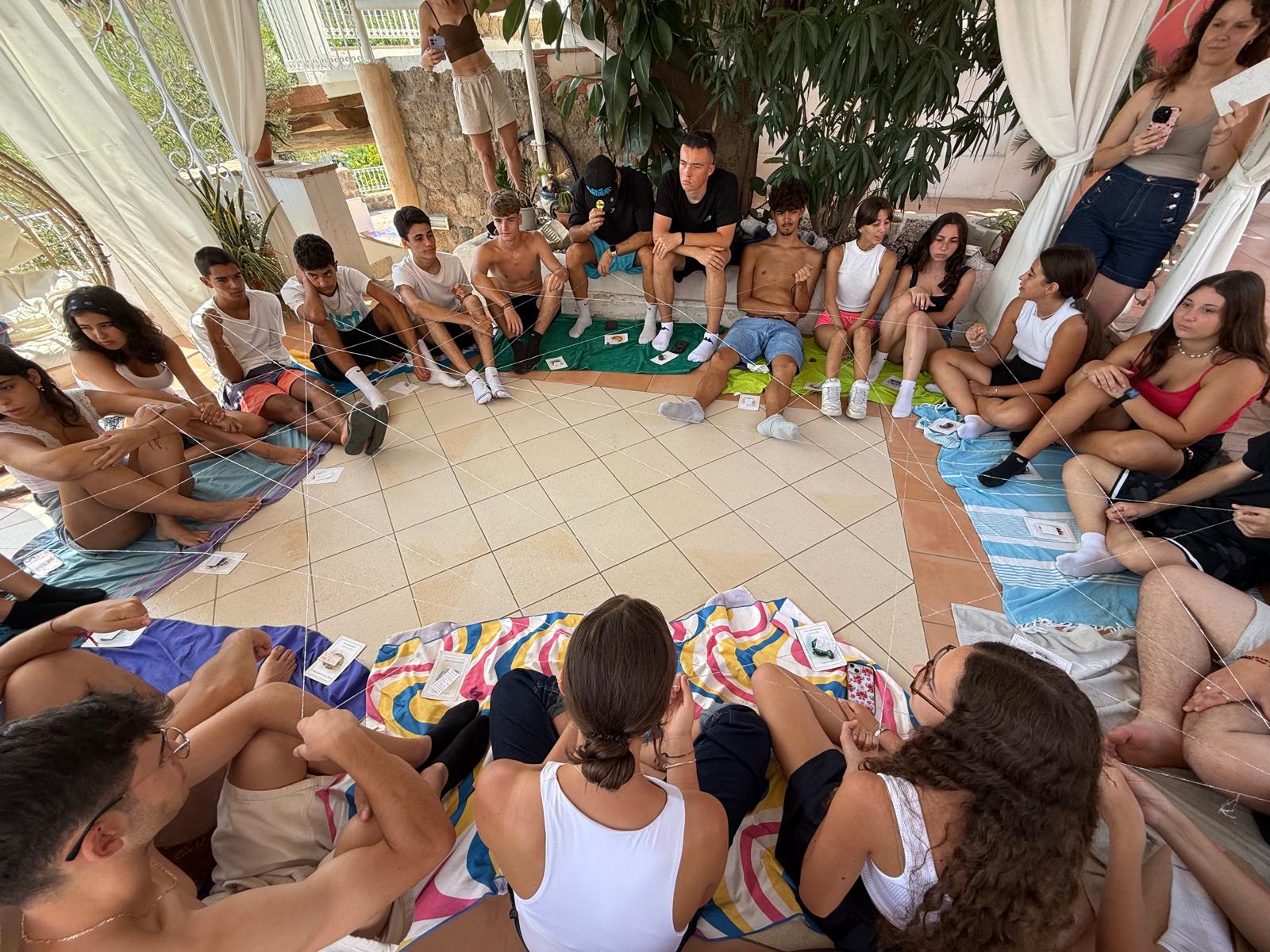
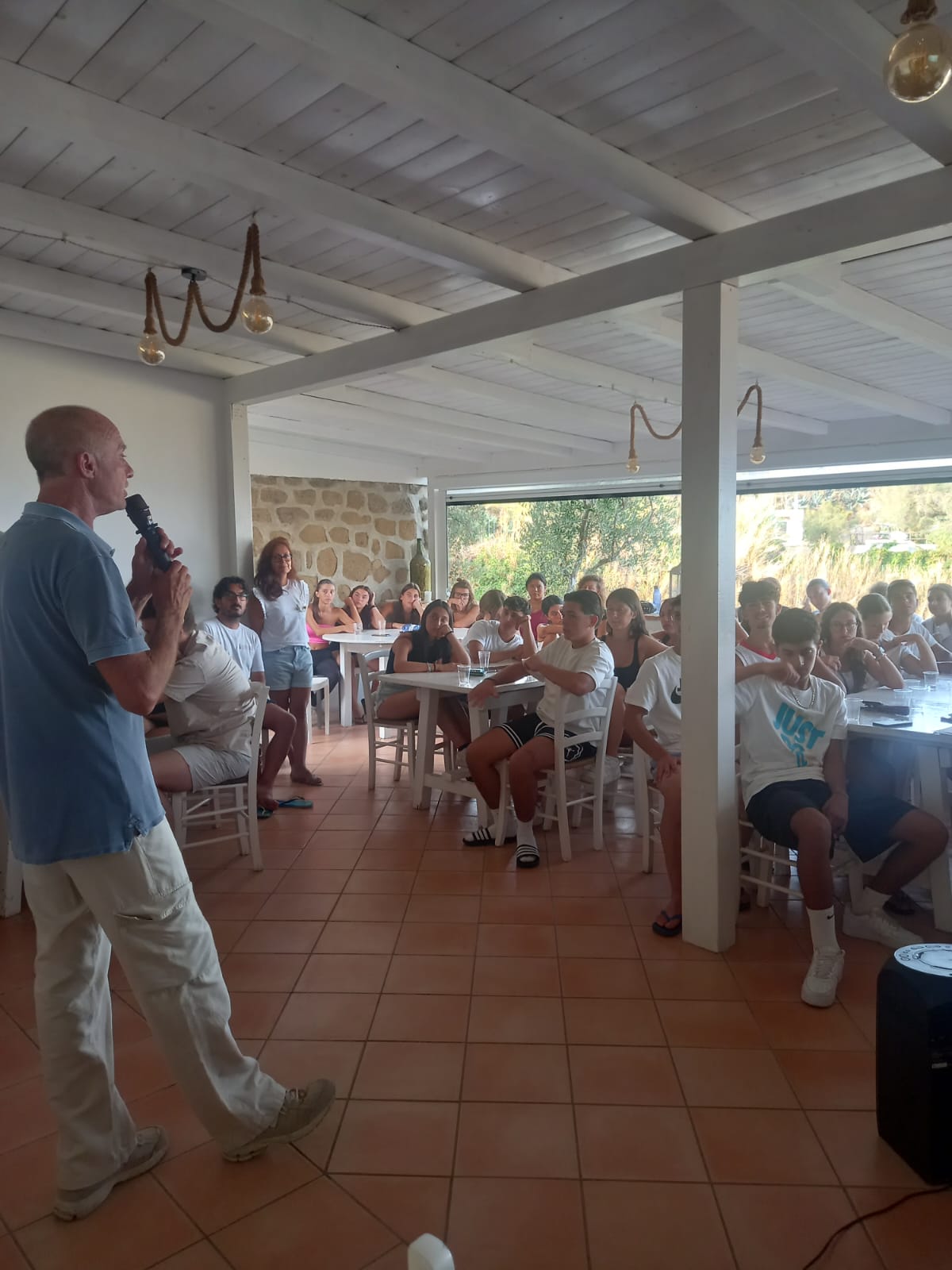
For one week, 24 young participants from Italy, Poland, and Portugal experienced a unique journey on the island symbolising a united Europe and the Ventotene Manifesto, taking part in workshops, simulations, creative activities, cultural visits, and discussions with policymakers.
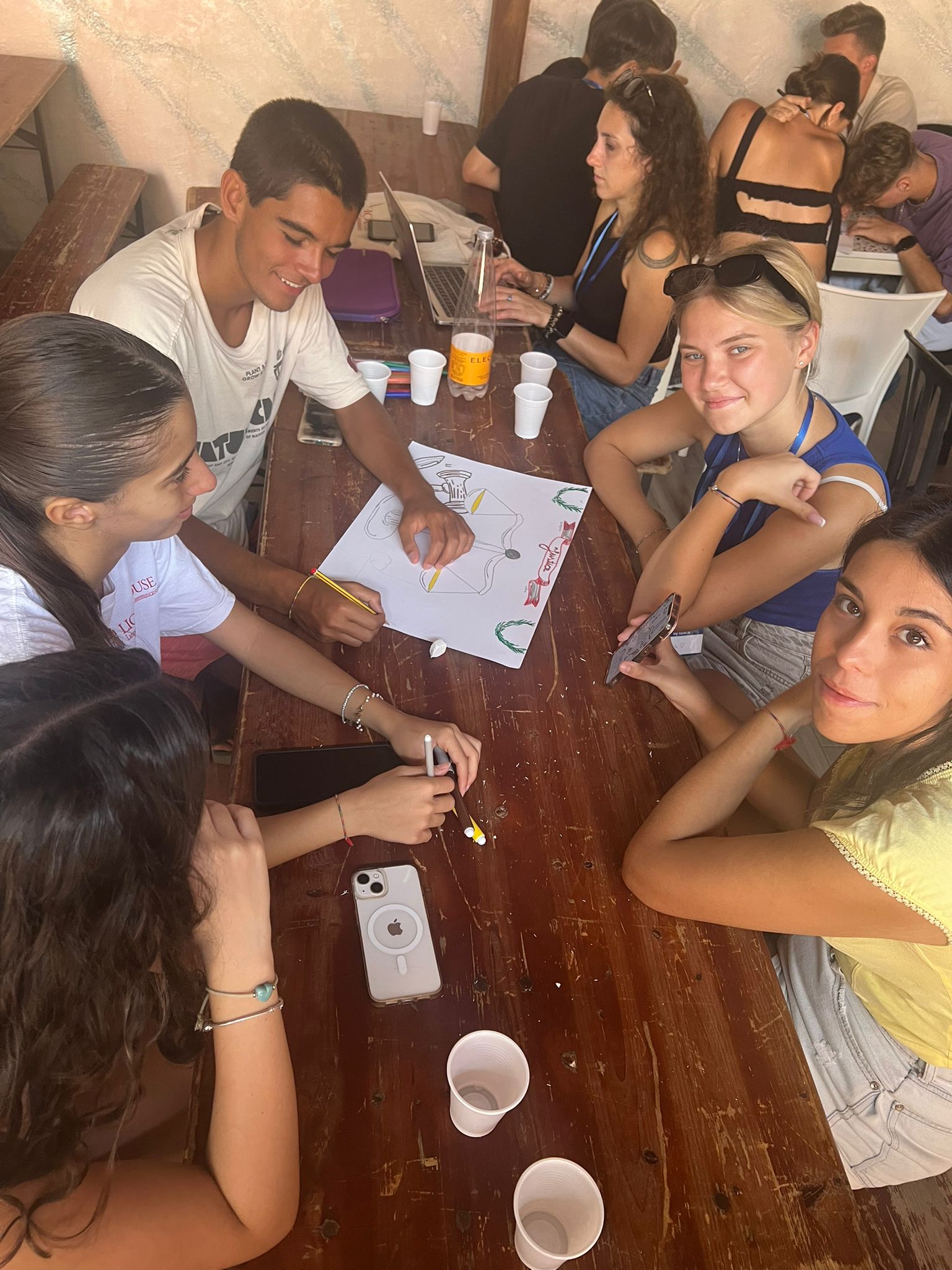
The project encouraged participants to reflect on the values of unity, solidarity, and democracy while developing skills related to youth participation, active citizenship, and civic engagement. Among the most appreciated activities were a European Council simulation, a civic Hackathon, a Street Action to raise awareness of the role of young people in Europe, and creative workshops.
There was also great enthusiasm for the cultural visits, including a guided tour of the Bourbon prison of Santo Stefano with Salvatore Colella, the Migration Museum and Bird Observatory, and a meeting with writer Luca Esposito, who shared with the participants the importance of preserving local memory and how island life inspired his novels.
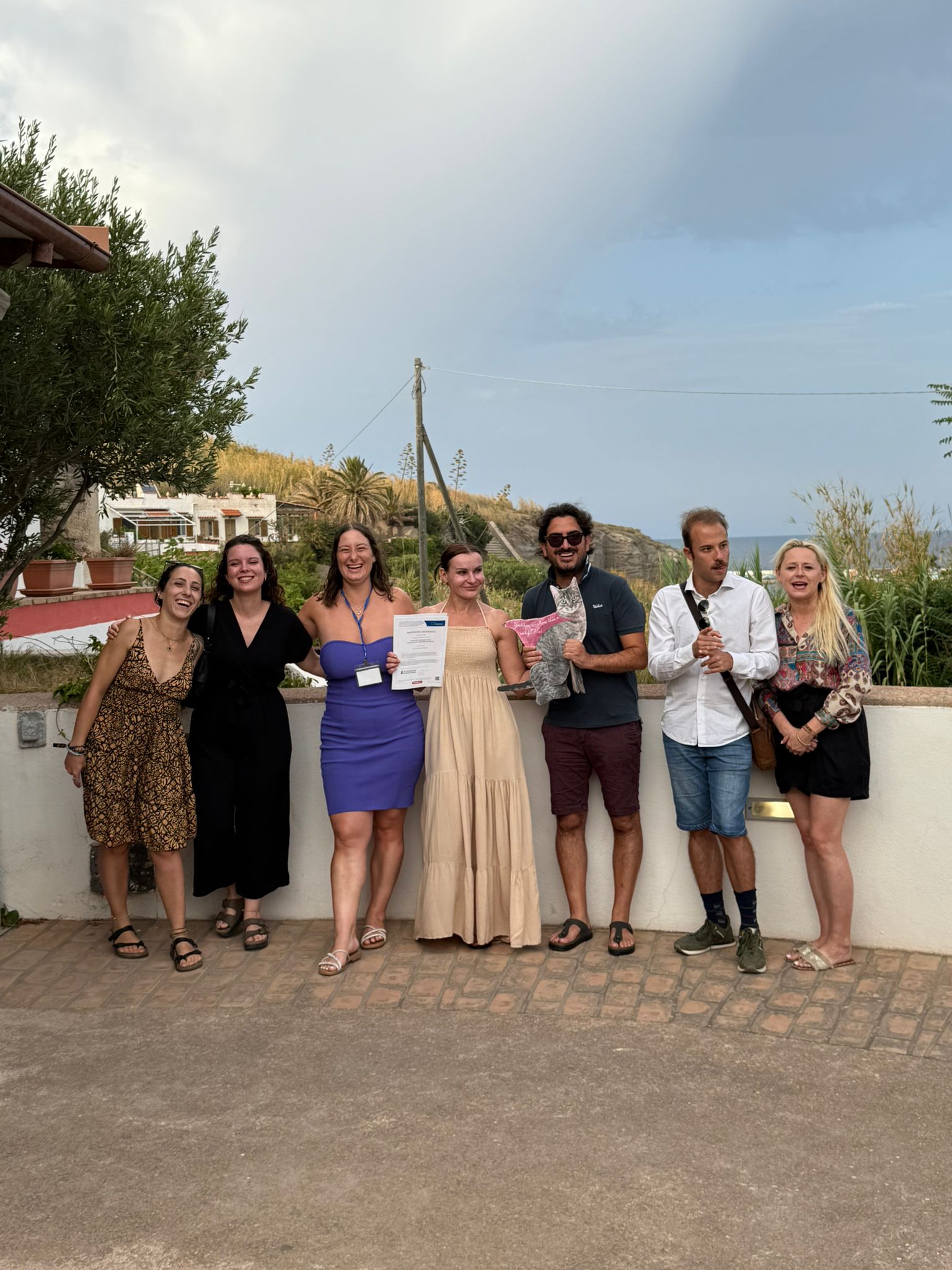
The week concluded with the awarding of Youthpass certificates, recognising the informal and non-formal skills acquired during the project, and with a strong shared emotion among all participants and organisers.
JUNIOR EU has once again shown how Ventotene remains a true European laboratory, capable of inspiring new generations to become aware, active citizens ready to build the future of the Union.
In an informal and immersive setting away from traditional classrooms, students participated in a rich program of workshop activities, guided tours and cooperative learning moments. The main topics covered included European citizenship, environmental protection, sports as an educational tool and language learning in English. The experiential approach, based on nonformal methodologies such as learning by doing, simulation games and peer learning, stimulated autonomy, peer collaboration, critical thinking and a sense of responsibility.
Particular attention was paid to the participants' mental and physical well-being, with a program balanced between training, outdoor activities, leisure and rest time. Each student received a personalized educational toolkit containing multilingual teaching materials and digital resources to support learning. Families were actively involved through informational meetings and structured updates.
The project stood out for the quality of the training proposal and the presence of a highly qualified multidisciplinary staff. It represented a virtuous example of collaboration between school, territory and the third sector, offering young people a meaningful and transformative educational experience, capable of leaving a lasting impact both on a personal and collective level.
